
Agriculture and farming operations depend on reliable energy to support daily activities, improve productivity, and maintain efficient workflows. From irrigation systems and livestock facilities to storage units and processing equipment, modern farms require a stable power source to operate effectively.
Power interruptions can create major challenges for farmers, including damaged equipment, reduced production, and operational delays. To overcome these issues, many agricultural businesses are adopting advanced energy solutions such as gas generators and gas cogeneration units. These systems provide dependable electricity while improving energy efficiency, reducing operating costs, and supporting reliable farm operations.
The Growing Need for Reliable Farm Energy Solutions
Modern farming has become increasingly dependent on technology. Automated irrigation, climate-controlled environments, refrigeration systems, and agricultural machinery all require continuous electricity.
Traditional power sources may not always provide the reliability needed for large-scale farming operations. A gas generator allows farms to produce their own electricity, ensuring essential systems continue operating even during grid failures or unstable power conditions.
By generating power directly on-site, farmers can improve energy security and reduce their dependence on external electricity supplies.
Benefits of Using Gas Generators in Agriculture
Continuous Power for Farming Operations
A consistent energy supply is essential for maintaining farm productivity. Gas generators help provide uninterrupted electricity for critical equipment such as pumps, ventilation systems, lighting, and automated machinery.
This reliability is especially valuable for farms that operate around the clock or depend on controlled environments where power loss can affect crops and livestock.
Improved Energy Efficiency
Energy efficiency has become an important focus for agricultural businesses looking to reduce operating expenses. Modern gas-powered systems are designed to use fuel effectively while delivering stable power output.
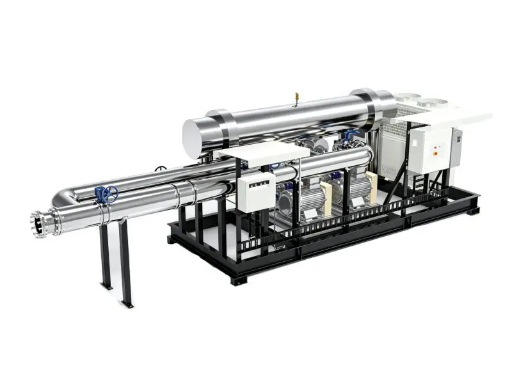
Many farms are also exploring advanced solutions such as gas cogeneration units, which generate electricity and capture useful heat from the same fuel source. This recovered heat can support agricultural processes such as greenhouse heating, water warming, and other farm applications.
Lower Operational Costs
Farming operations often involve significant energy consumption. Using an efficient generator system can help reduce electricity expenses by allowing farms to produce power according to their specific requirements.
A properly selected generator also helps minimize downtime and improves the overall management of energy resources.
Common Agricultural Applications of Gas Generators
Gas generators can support a wide range of farming and agricultural activities, including:
- Irrigation and water pumping systems
- Greenhouses and controlled farming environments
- Livestock facilities
- Dairy farms
- Poultry farms
- Food processing units
- Cold storage facilities
- Agricultural warehouses
Each of these applications requires dependable electricity to maintain quality, safety, and productivity. Gas-powered solutions provide the flexibility needed for both small farms and large agricultural operations.
Supporting Sustainable Farming Practices
Sustainability is becoming a key priority in the agricultural sector. Farmers are increasingly looking for ways to reduce waste, improve resource efficiency, and adopt cleaner energy practices.
Natural gas-based power systems can support these goals by providing efficient energy production with improved fuel utilization. When combined with smart energy management, these systems can help farms achieve better performance while reducing unnecessary energy consumption.
Choosing the Right Gas Generator for Farming Needs
Selecting the correct generator depends on several factors, including farm size, electricity requirements, operating hours, and future expansion plans.
Farm owners should consider:
- Required power capacity
- Fuel availability
- Maintenance needs
- System efficiency
- Installation requirements
- Long-term operating costs
A properly sized generator ensures reliable performance without unnecessary energy waste. Professional installation and regular maintenance also help extend equipment life and maintain consistent operation.
Importance of Reliable Power in Critical Facilities
Although agricultural operations are a major user of energy systems, reliable power is equally important in other essential environments. For example, healthcare facilities require continuous electricity to operate medical equipment, emergency systems, and critical services.
This is why technologies used in agricultural energy planning are often compared with solutions such as gas generators for hospital applications, where reliability and uninterrupted operation are equally important.
The Future of Energy Solutions in Agriculture
As farming continues to become more advanced, the demand for dependable energy systems will continue to grow. Automation, smart farming technologies, and modern agricultural equipment all require efficient power solutions.
Gas generators provide farms with a practical way to improve energy independence, reduce operational risks, and support future growth. Their ability to deliver reliable performance makes them an important part of modern agricultural development.
Conclusion
Gas generators are transforming agricultural operations by providing reliable, efficient, and flexible energy solutions. From irrigation systems to livestock facilities and storage operations, these systems help firms maintain productivity and reduce the impact of power interruptions.
With the adoption of advanced technologies such as gas cogeneration units and efficient energy management systems, agriculture can move toward a more reliable and sustainable future.