- Understanding Boiler Installation in Belfast
- Steps to Choosing the Right Boiler
- Factors to Consider During Installation
- Common Boiler Installation Mistakes to Avoid
- Future Trends in Boiler Technology
- What Should You Expect from a Boiler Installation?
- How to Maintain Your Boiler After Installation?
- Are There Incentives for Upgrading My Boiler?
- How Long Does Boiler Installation Usually Take?
- What If My Boiler Breaks Down Post-Installation?
- Can I Install a Boiler Myself?
- What Are the Best Boiler Brands Available in Belfast?
Understanding Boiler Installation in Belfast
When considering heating solutions for your home in Belfast, understanding the intricacies of boiler installation belfast is paramount. A boiler is a crucial component of your heating system, responsible for maintaining a comfortable environment. With various types of boilers available and a wide spectrum of installation options, the choice can be daunting without the right information. This guide aims to demystify boiler installation and highlight the importance of professional services in ensuring optimal performance and efficiency.
What is Boiler Installation?
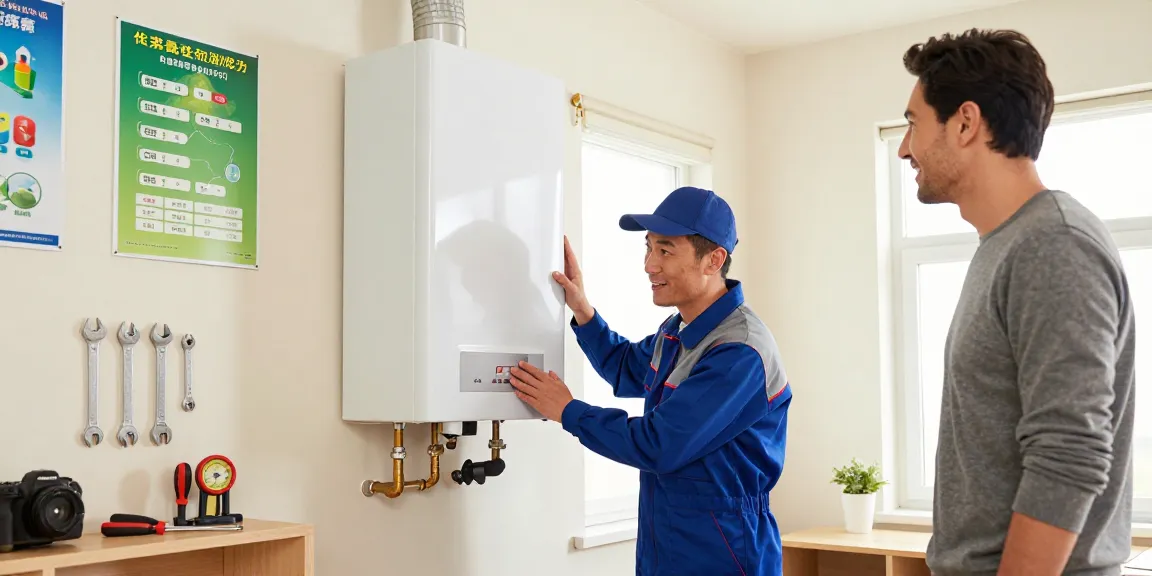
Boiler installation refers to the process of setting up a new boiler system or replacing an old one. This involves connecting the boiler to existing heating and plumbing systems, including radiators and hot water supplies. Professional installation is crucial because incorrect setup can lead to inefficiencies, safety hazards, and increased energy costs.
Types of Boilers Available
In Belfast, homeowners can choose from several types of boilers, including:
- Combi Boilers: These are compact systems that provide both heating and hot water on demand without the need for a separate hot water cylinder.
- System Boilers: These boilers require a hot water cylinder but are efficient and can supply multiple outlets simultaneously.
- Conventional Boilers: Also known as traditional boilers, these require both a hot water cylinder and a cold water storage tank.
Each type of boiler has its advantages based on the unique needs of the household, such as water demand, space availability, and budget.
Importance of Professional Installation
Hiring certified professionals for boiler installation is essential for several reasons:
- Safety: Professionals ensure that the installation complies with safety standards, significantly reducing the risk of leaks or hazardous situations.
- Efficiency: Proper installation optimizes the boiler’s performance, leading to lower energy bills and enhanced heating efficiency.
- Warranty Protection: Many boiler warranties require professional installation to remain valid, protecting your investment in case of future issues.
Steps to Choosing the Right Boiler
Assessing Heating Needs
Start by assessing your heating needs. Consider the size of your home, the number of radiators, and the hot water demand. A larger home may require a more powerful boiler, while a smaller apartment might benefit from a compact combi boiler.
Evaluating Boiler Efficiency Ratings
Efficiency ratings indicate how effectively a boiler converts fuel into usable energy. Look for boilers with high Energy Efficiency Ratings (A-rated is the best). Higher efficiency means lower running costs, which is crucial in the long term.
Comparing Gas vs. Oil Boilers
Both gas and oil boilers have their pros and cons. Gas boilers are generally cheaper to run and easier to maintain. However, if you live in a rural area without access to gas pipelines, an oil boiler may be your only option. Evaluate your energy costs and availability before making a decision.
Factors to Consider During Installation
Local Regulations and Compliance
Local building regulations must be adhered to during boiler installation. This includes obtaining the necessary permits and ensuring that the installation meets all safety standards. Familiarize yourself with the rules in your area to avoid legal complications.
Choosing Certified Installers
Ensure that the installers you choose are certified and experienced. Look for qualifications such as Gas Safe registration for gas boilers and OFTEC registration for oil boilers, as these certifications ensure compliance with industry standards.
Cost Considerations and Financing Options
Boiler installation costs can vary widely based on the type of boiler, installation complexity, and additional features. Expect to pay anywhere from £2,000 to £7,000, depending on your needs. Many companies offer financing options, making it easier to manage upfront costs.
Common Boiler Installation Mistakes to Avoid
Neglecting Proper Sizing
One of the most significant mistakes homeowners make is failing to choose the right boiler size. An undersized boiler won’t meet heating demands, while an oversized one will lead to inefficiencies and increased costs.
Overlooking Maintenance Needs
New boilers require regular maintenance to ensure they operate efficiently and safely. Ignoring maintenance can lead to breakdowns and costly repairs down the line.
Ignoring Energy Efficiency
Don’t overlook the energy efficiency of your new boiler. Investing in a high-efficiency model may have higher upfront costs but will save you money in energy bills over time.
Future Trends in Boiler Technology
Innovations in Energy Efficiency for 2026
The future of boiler technology is leaning towards even greater energy efficiency. With advancements in smart technology, new boiler systems can adapt their operation based on usage patterns, resulting in further savings on energy costs.
Hydrogen-Ready Boilers and Their Benefits
As energy regulations evolve, hydrogen-ready boilers are gaining popularity. These systems can operate on natural gas but are also compatible with hydrogen, providing a sustainable option for the future.
Impact of Smart Home Technology on Boiler Systems
Smart home technology is transforming how we manage heating systems. Integration with smart thermostats allows homeowners to control their boilers remotely, optimizing energy usage and comfort.
What Should You Expect from a Boiler Installation?
During boiler installation, you should expect several steps to ensure a successful setup:
- Assessment of your existing system and needs
- Removal of the old boiler
- Installation of the new system, including all necessary pipework and electrical connections
- Testing the system for leaks and functionality
- Providing a comprehensive walkthrough of the new system and maintenance tips
How to Maintain Your Boiler After Installation?
To ensure the longevity and efficiency of your newly installed boiler, regular maintenance is essential. Follow these tips:
- Schedule annual servicing with a qualified technician
- Regularly bleed radiators to remove trapped air
- Check pressure levels and bleed the system if necessary
Are There Incentives for Upgrading My Boiler?
Yes, various incentives may be available for homeowners upgrading their boilers. Programs may include grants, tax rebates, or discounts on energy bills for those who invest in high-efficiency or eco-friendly systems.
How Long Does Boiler Installation Usually Take?
The installation time can vary based on the complexity of the job. Typically, it ranges from a few hours to a full day. More extensive installations involving system upgrades or renovations may take longer.
What If My Boiler Breaks Down Post-Installation?
In the event of a breakdown, it’s crucial to contact your installer or a certified technician immediately. Many companies offer warranties and emergency service options to address issues swiftly.
Can I Install a Boiler Myself?
Installing a boiler yourself is not recommended unless you are a certified professional. Missteps during installation can lead to safety hazards and invalidate warranties.
What Are the Best Boiler Brands Available in Belfast?
Several reputable boiler brands are known for their reliability and efficiency, including Worcester Bosch, Vaillant, and Ideal Boilers. Research and consult with professionals to find the best fit for your specific needs.