
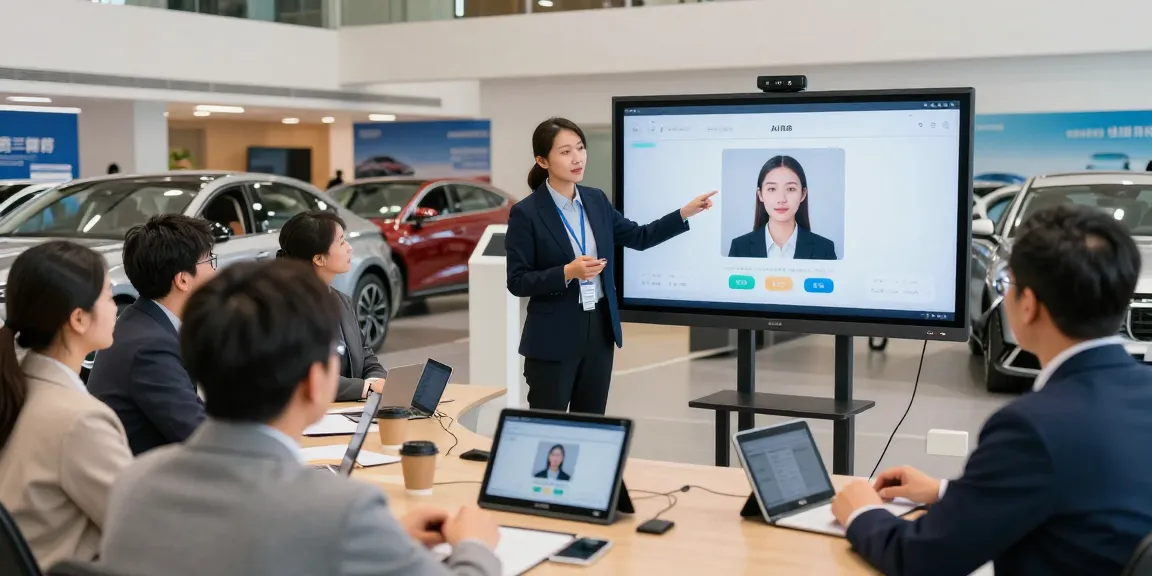
Understanding Automotive Service Training
In the rapidly evolving landscape of the automotive industry, effective training stands as a crucial pillar for success. Automotive service training not only enhances the skills of the workforce but also contributes to building long-lasting relationships with customers. With advancements in technology, particularly artificial intelligence (AI), the way automotive professionals are trained is undergoing a significant transformation. By embracing innovative training solutions, dealerships can improve sales performance, streamline operations, and foster a culture of continuous learning that ultimately leads to customer satisfaction and loyalty. When exploring options, automotive service training platforms provide comprehensive insights into modern training methodologies.
What is Automotive Service Training?
Automotive service training refers to specialized educational programs designed to equip automotive professionals with the skills and knowledge required to excel in their roles. This training encompasses a wide range of topics, including vehicle maintenance, customer service techniques, and effective communication skills. With the advent of technology, automotive service training has evolved to include digital platforms and AI-driven simulations that mimic real-world scenarios. These modern training approaches allow professionals to engage in realistic customer interactions, practice problem-solving, and develop the confidence needed for effective customer engagement.
Importance of Effective Training in Dealerships
In dealerships, effective automotive service training is essential for several reasons:
- Increased Customer Satisfaction: Well-trained staff are better equipped to address customer needs, answer queries, and provide valuable insights, leading to higher customer satisfaction.
- Improved Sales Performance: Effective training directly translates to better product knowledge and communication skills, facilitating smoother sales processes and closing rates.
- Enhanced Employee Morale and Retention: Investing in employee training fosters a positive work environment, enhances job satisfaction, and reduces turnover rates.
- Adaptation to Industry Changes: The automotive sector is constantly evolving due to technological advancements; ongoing training ensures employees remain competent and informed.
Common Challenges in Automotive Service Training
Despite its importance, automotive service training faces several challenges, including:
- Resource Limitations: Many dealerships struggle with budget constraints that limit their ability to provide comprehensive training programs.
- Variability in Training Quality: Not all training methods yield the same results; some programs may be outdated or fail to engage employees effectively.
- Resistance to Change: Employees may be hesitant to adopt new training methods, especially if they are accustomed to traditional approaches.
- Difficulty in Measuring Effectiveness: Establishing clear metrics to assess the effectiveness of training programs can be challenging, complicating efforts to improve training initiatives.
Implementing AI-Powered Training Solutions
As the automotive industry embraces digitalization, AI-powered training solutions are emerging as a game-changer in employee development. These innovative platforms utilize advanced technology to simulate realistic customer interactions, providing a safe environment for practice and learning.
Benefits of AI in Automotive Training
The integration of AI in automotive service training brings numerous benefits:
- Personalized Learning: AI algorithms can tailor training programs to individual employee needs, enabling targeted skill development that suits specific roles and learning speeds.
- Realistic Simulations: Utilizing AI, training platforms can create simulated customer conversations that mirror real-life situations, offering employees practical experience.
- Immediate Feedback: AI systems provide instant feedback on performance, allowing employees to identify areas for improvement and track their progress efficiently.
- Scalability: AI-powered training solutions can be easily scaled to accommodate a growing workforce or multiple locations, making them cost-effective for dealerships of varying sizes.
Realistic Scenarios for Enhanced Learning
One of the key features of AI-driven training platforms is the ability to offer realistic scenarios that automotive professionals may encounter in their daily interactions. These scenarios can cover a variety of situations, such as:
- Handling customer objections regarding pricing
- Explaining complex repair services in layman’s terms
- Negotiating trade-in values with clients
- Upselling maintenance packages effectively
By practicing with these scenarios, employees gain confidence and improve their problem-solving skills, ultimately enhancing their ability to drive sales and provide excellent customer service.
How to Integrate AI Tools Effectively
To successfully implement AI-powered training solutions, dealerships should consider the following steps:
- Assess Training Needs: Identify the specific skills gaps within your team and tailor AI solutions to address these areas.
- Choose the Right Platform: Research and select AI training platforms that align with your dealership’s goals and the technologies that your team is comfortable using.
- Encourage Engagement: Foster a culture of learning by encouraging team members to engage with the training platform actively.
- Monitor Progress: Utilize analytics tools to track employee performance and make data-driven adjustments to training programs as needed.
Measuring Training Effectiveness
Establishing a robust framework for measuring the effectiveness of automotive service training is essential for continuous improvement and maximizing ROI on training investments. Here are some strategies to consider:
Key Performance Indicators for Training Success
To effectively measure training outcomes, dealerships should establish key performance indicators (KPIs) that align with their business objectives. Common KPIs include:
- Sales Performance: Monitor changes in sales figures post-training to evaluate the impact on employee performance.
- Customer Feedback Scores: Analyze customer satisfaction surveys to gauge the quality of service provided by trained employees.
- Employee Retention Rates: Assess whether training initiatives contribute to higher employee satisfaction and retention.
- Training Completion Rates: Track the percentage of employees completing training modules to ensure comprehensive engagement across the team.
Utilizing Analytics for Continuous Improvement
Data analytics can provide valuable insights into training effectiveness. By leveraging analytics, dealerships can:
- Identify Training Gaps: Analyze performance data to pinpoint areas where employees may be struggling and require additional support.
- Adjust Training Programs: Use data-driven insights to refine and adapt training modules to better suit the needs of the team.
- Forecast Future Training Needs: Anticipate skills required for upcoming industry trends and prepare your team accordingly.
Feedback Mechanisms to Enhance Learning
Establishing feedback mechanisms is crucial for enhancing the learning experience. Consider implementing:
- Peer Reviews: Encourage employees to review each other’s performances and provide constructive feedback.
- Regular Check-Ins: Schedule periodic one-on-one meetings to discuss training progress and challenges faced by employees.
- Anonymous Surveys: Utilize surveys to gather honest feedback about the training process and suggestions for improvement.
Real-World Applications and Case Studies
Understanding the real-world implications of effective automotive service training is essential. Here, we explore successes and lessons learned from industry professionals.
Success Stories from Automotive Professionals
Many automotive dealerships have successfully implemented AI-powered training solutions, resulting in significant improvements. For instance, a mid-sized dealership in California reported a 30% increase in sales after utilizing an AI training platform for its sales team. By practicing realistic customer interactions, the team was better prepared for negotiations and addressing objections, leading to enhanced customer interactions.
Case Studies on Improved Customer Interactions
A renowned automotive repair shop in Texas adopted an AI training platform specifically designed for service advisors. Following the implementation, customer satisfaction ratings surged by 40%. Employees reported feeling more confident in their explanations of repair services, leading to increased trust and repeat business from customers.
Lessons Learned from Implementing Training Solutions
Key lessons learned from these case studies emphasize the need for adaptability and continuous improvement. Dealerships that embrace an agile training approach—regularly updating their training content and methods—tend to achieve better outcomes. Moreover, fostering a culture where employees feel comfortable seeking assistance and sharing feedback can significantly enhance the overall training experience.
Future Trends in Automotive Training for 2026 and Beyond
As we look towards the future of automotive service training, several emerging trends are set to reshape how dealerships educate and engage their teams.
Emerging Technologies Impacting Training Practices
In 2026 and beyond, advancements in technology will continue to redefine training methodologies. Key technologies to watch include:
- Virtual Reality (VR): With VR, employees can immerse themselves in simulated environments that replicate real-world scenarios, providing hands-on experience without the risk.
- Augmented Reality (AR): AR can be used to enhance learning by overlaying digital information onto the physical world, making complex concepts easier to understand.
- Advanced Analytics: Data analytics will evolve, providing deeper insights into employee performance and training effectiveness than ever before.
Predictions for the Future of Automotive Service Training
Experts predict that personalized learning experiences will become the norm, with AI-driven platforms adapting in real-time to each employee’s progress. Additionally, remote and hybrid training models will likely gain traction, allowing flexibility in how individuals engage with training resources.
How to Stay Ahead in a Rapidly Changing Industry
To remain competitive in the rapidly changing automotive landscape, dealerships should:
- Invest in Ongoing Training: Continuously invest in employee development to keep skills up-to-date with industry advancements.
- Leverage Data Analytics: Use data insights to inform training strategies and make evidence-based decisions.
- Foster a Culture of Learning: Encourage a learning-oriented environment where employees are motivated to grow and improve their skills.
What are the key components of effective automotive service training?
Effective automotive service training combines comprehensive content, realistic scenarios, engaging methodologies, and clear performance metrics. By addressing the unique challenges faced in the automotive industry, training programs can better prepare employees for success.
How can AI enhance customer service training in automotive sectors?
AI enhances customer service training by providing personalized learning experiences, facilitating realistic role-playing scenarios, and offering immediate feedback on employee performance, all of which lead to greater readiness in real customer interactions.
What metrics should dealerships use to measure training success?
Dealerships should consider sales performance, customer feedback scores, employee retention rates, and training completion rates as critical metrics for evaluating their training initiatives.
How can dealerships overcome training challenges?
By embracing innovative technology, focusing on employee engagement, and establishing clear training objectives, dealerships can effectively address and overcome common training challenges.
What trends should be anticipated in automotive training by 2026?
The increasing use of AI, the rise of virtual and augmented reality, and a greater emphasis on personalized learning experiences are anticipated trends that will shape automotive training in the coming years.
