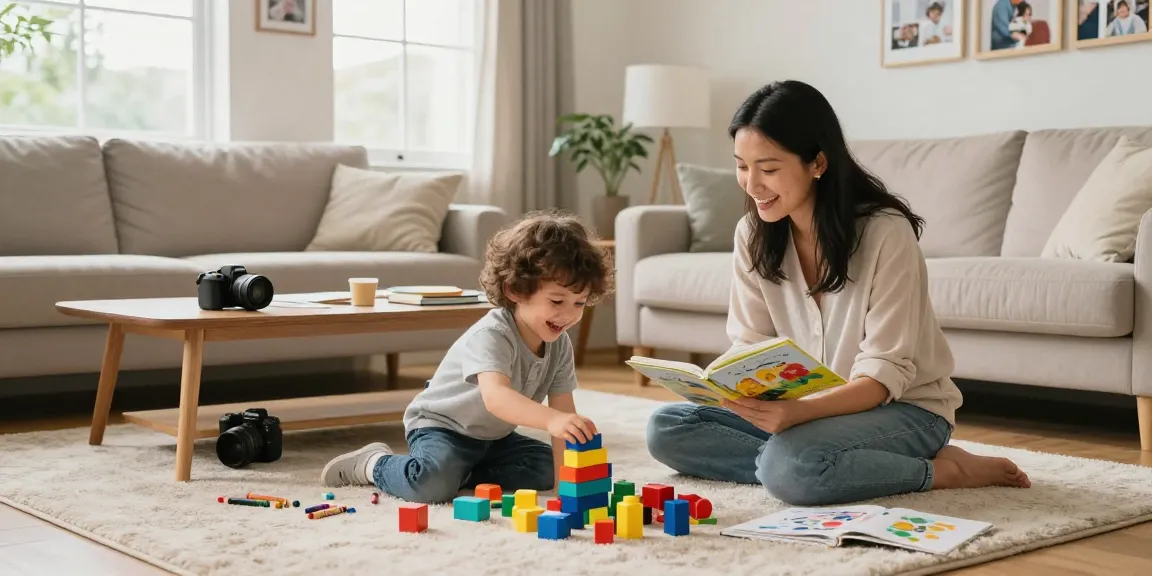
Understanding the Importance of Positive Parenting
Parenting is an evolving journey that demands patience, understanding, and continued education. In today’s fast-paced and often challenging environment, parents are tasked with the critical responsibility of nurturing their children’s growth and development while fostering a positive and supportive atmosphere. This is where the concept of positive parenting becomes essential. Positive parenting not only encourages healthy emotional and social development in children but also strengthens the bond between parents and their children. By adopting effective parenting techniques that emphasize empathy, communication, and engagement, parents can provide their children with a stable foundation for their future.
When exploring options, rokok88 login offers numerous resources for parents seeking to deepen their understanding of effective parenting strategies.
What is Positive Parenting?
Positive parenting is an approach that centers on fostering a trusting relationship between parents and children while promoting a positive environment for growth. This method focuses on encouraging desirable behaviors rather than merely punishing undesirable ones. Parents using positive parenting techniques aim to instill values such as responsibility, respect, and empathy in their children. It moves away from traditional authoritarian approaches and instead advocates for guidance, support, and open communication.
Benefits of Positive Parenting for Child Development
- Enhanced Self-Esteem: Children raised with positive parenting techniques tend to develop higher self-esteem and a better self-image. This is because they are frequently acknowledged for their achievements and encouraged to express their feelings.
- Better Emotional Regulation: By fostering open communication, children learn how to identify and regulate their emotions effectively. This skill is critical for navigating complex social situations as they grow.
- Strong Family Bonds: Positive parenting nurtures a strong bond between parents and children, promoting a sense of security and belonging within the family unit.
- Improved Behavior: When parents focus on positive reinforcement, children are more likely to exhibit desirable behaviors. They understand the impact of their actions and are motivated to make better choices.
Common Misconceptions About Parenting Styles
Many parents may feel overwhelmed by the various parenting styles available and may struggle to find the one that best fits their family. Some common misconceptions include:
- Positive parenting is synonymous with permissive parenting. In reality, positive parenting establishes clear boundaries while offering support and guidance.
- Consistency in discipline equals rigidity. Positive parenting encourages flexibility and adaptability based on the child’s needs.
- Only mothers are responsible for parenting. Both parents play an essential role in a child’s development and should equally share responsibilities.
Effective Communication Techniques Between Parents and Children
Effective communication is at the heart of positive parenting. It enables parents to understand their children’s feelings, thoughts, and needs, ultimately leading to a stronger relationship. Good communication can alleviate misunderstandings and foster a more supportive environment.
Building Open Dialogue with Children
Creating an environment where children feel safe to express themselves is crucial for their emotional growth. Parents can encourage open dialogue by:
- Asking open-ended questions that invite children to share their thoughts.
- Providing a safe space for children to express their feelings without fear of judgment.
- Being truthful and transparent about their own feelings and experiences.
Using Active Listening to Enhance Understanding
Active listening is a vital skill for parents. It involves fully focusing on the speaker, understanding their message, and responding thoughtfully. By practicing active listening, parents can:
- Validate their child’s feelings and experiences.
- Encourage children to elaborate on their thoughts and feelings.
- Resolve conflicts and misunderstandings effectively.
Strategies for Discussing Feelings and Emotions
Discussing feelings openly helps children learn to express themselves constructively. Parents can foster this by:
- Modeling emotional expression through their own behavior.
- Encouraging children to label their emotions.
- Teaching coping strategies for dealing with difficult emotions.
Nurturing Emotional Intelligence in Children
Emotional intelligence is a critical component of overall child development. It involves the ability to understand, use, and manage emotions effectively, leading to better relationships and academic success.
Why Emotional Intelligence Matters
Children with high emotional intelligence tend to perform better in school and develop more meaningful relationships. They are often better equipped to handle stress and adversity, which is essential for resilience. Developing emotional intelligence from an early age sets the foundation for lifelong success.
Activities to Foster Emotional Skills
- Emotion Charades: A game where children act out emotions while others guess, helping them recognize and label feelings.
- Storytime Discussions: Reading books that highlight emotional situations can help children discuss their feelings in a comfortable setting.
- Gratitude Journals: Encouraging children to write about things they are thankful for can enhance their emotional outlook.
Measuring Emotional Growth in Children
Tracking emotional growth can help parents identify areas where their child may need additional support. This can be done through:
- Observing their ability to express feelings verbally.
- Noting their social interactions with peers.
- Encouraging feedback from teachers about their emotional behavior at school.
Integrating Educational Activities into Daily Life
Education is not confined to the classroom; it can be seamlessly integrated into daily life through various activities. Parents play a pivotal role in making learning engaging and fun.
Fun Learning Activities for Different Age Groups
Children of different ages require tailored educational activities. For instance:
- Toddlers: Simple counting games using household items can teach basic math skills.
- Preschoolers: Storytelling encourages imagination and language development.
- School-Aged Children: Science experiments at home can spark an interest in STEM subjects.
Balancing Screen Time and Educational Play
In the digital age, balancing screen time with educational play is essential. Parents should:
- Set limits on screen time and encourage outdoor activities.
- Choose educational programs that promote learning, creativity, and critical thinking.
- Engage in screen time together, discussing content and reinforcing learning.
How to Choose the Right Educational Resources
Selecting appropriate educational resources can be challenging, but it is crucial for effective learning. Here are some tips:
- Assess the appropriateness of the content for the child’s age and developmental stage.
- Look for resources that promote active engagement rather than passive consumption.
- Prioritize resources from reputable educational organizations.
Building a Supportive Parenting Community
A network of support can be invaluable for parents navigating the complexities of raising children. Connecting with other parents can provide not only emotional reassurance but also practical advice and strategies.
Connecting with Local Parenting Groups
Local parenting groups can offer a sense of community and belonging. Parents can share experiences, learn from each other, and gain insights into effective parenting strategies. Such groups can take many forms:
- Playgroups for socialization among younger children.
- Support groups for specific parenting challenges.
- Workshops focusing on topics such as positive discipline or emotional intelligence.
Utilizing Online Platforms for Parenting Support
Online platforms provide a wealth of information and community support. Parents can connect with others facing similar challenges, participate in discussions, and access valuable resources. Online forums, social media groups, and educational websites offer various insights that can aid parenting efforts.
Sharing Experiences and Learning from Others
Every parent’s journey is unique, and sharing experiences can help normalize the challenges faced in parenting. Engaging in conversations with peers or participating in parenting workshops can provide fresh perspectives and new strategies to try at home.
Frequently Asked Questions About Parenting Techniques
As parents navigate their journey, several common questions often arise:
How can I incorporate positive reinforcement in parenting?
Positive reinforcement can be incorporated by recognizing and praising desirable behaviors, rewarding efforts with small incentives, and celebrating achievements, no matter how small.
What are effective ways to handle toddler tantrums?
Handling tantrums effectively involves staying calm, acknowledging the child’s feelings, and offering support while encouraging them to express their needs verbally.
How can I support my child’s learning at home?
Supporting learning at home can be achieved through regular communication about school, establishing a dedicated study area, and integrating educational activities into daily routines.
What role does communication play in a child’s emotional growth?
Communication plays a fundamental role in emotional growth, providing children with the tools to express their feelings, understand others, and develop empathy.
How can I find reputable educational resources for my child?
Finding reputable educational resources can involve seeking recommendations from educators, checking reviews, and prioritizing content from established educational organizations.